The 12.8 cm Panzerjägerkanone 80
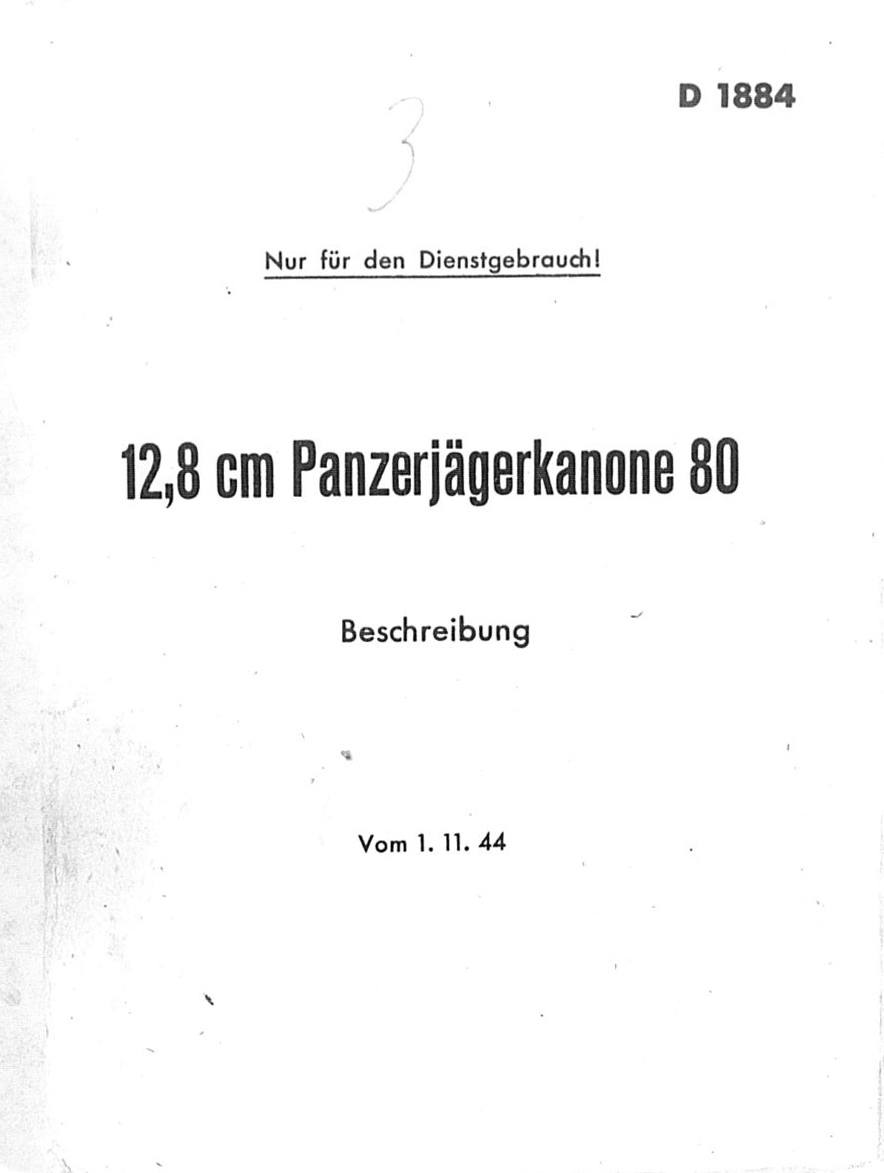
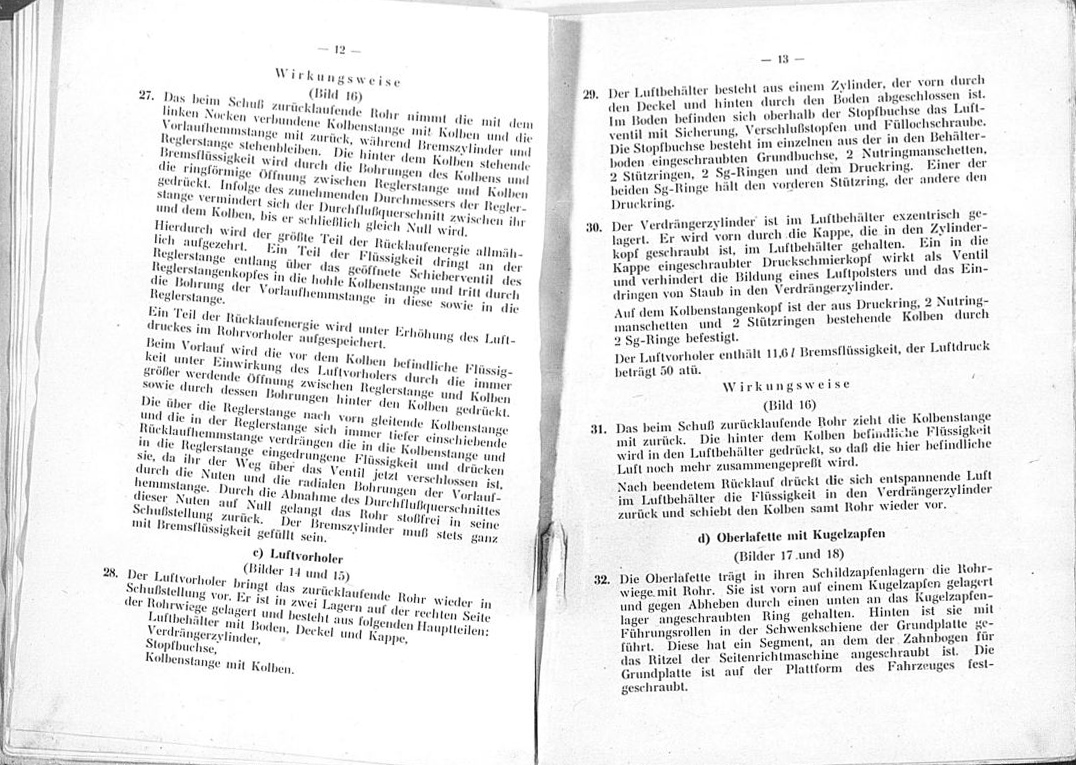
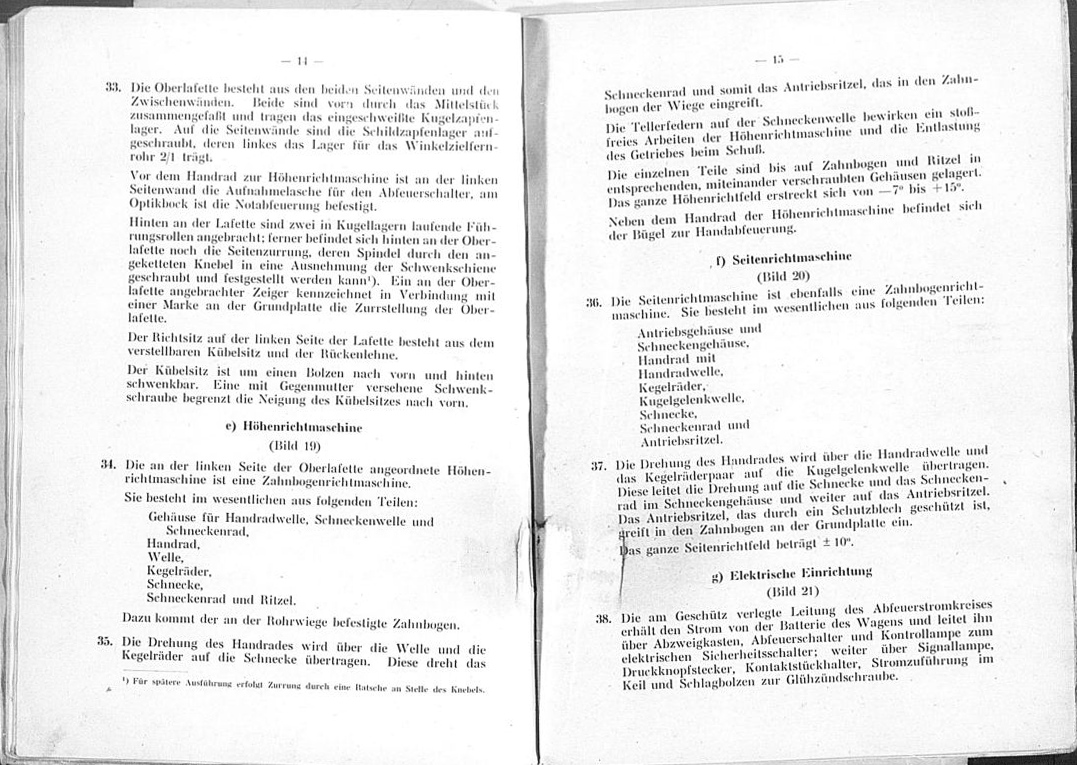
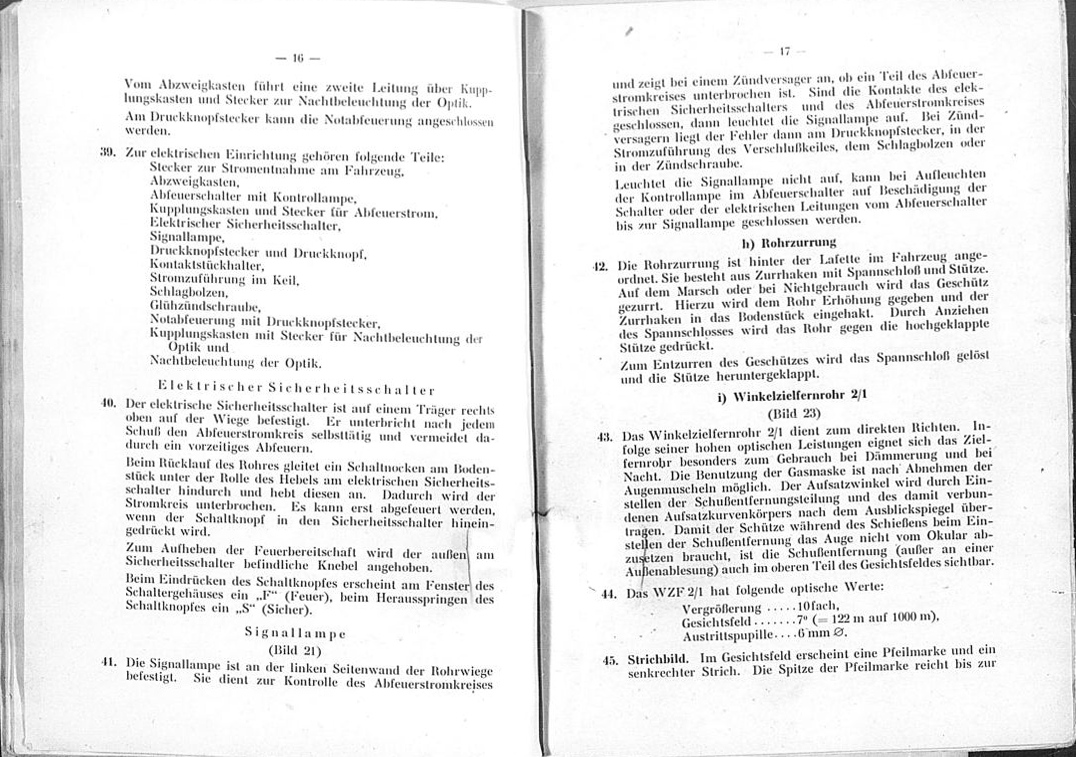
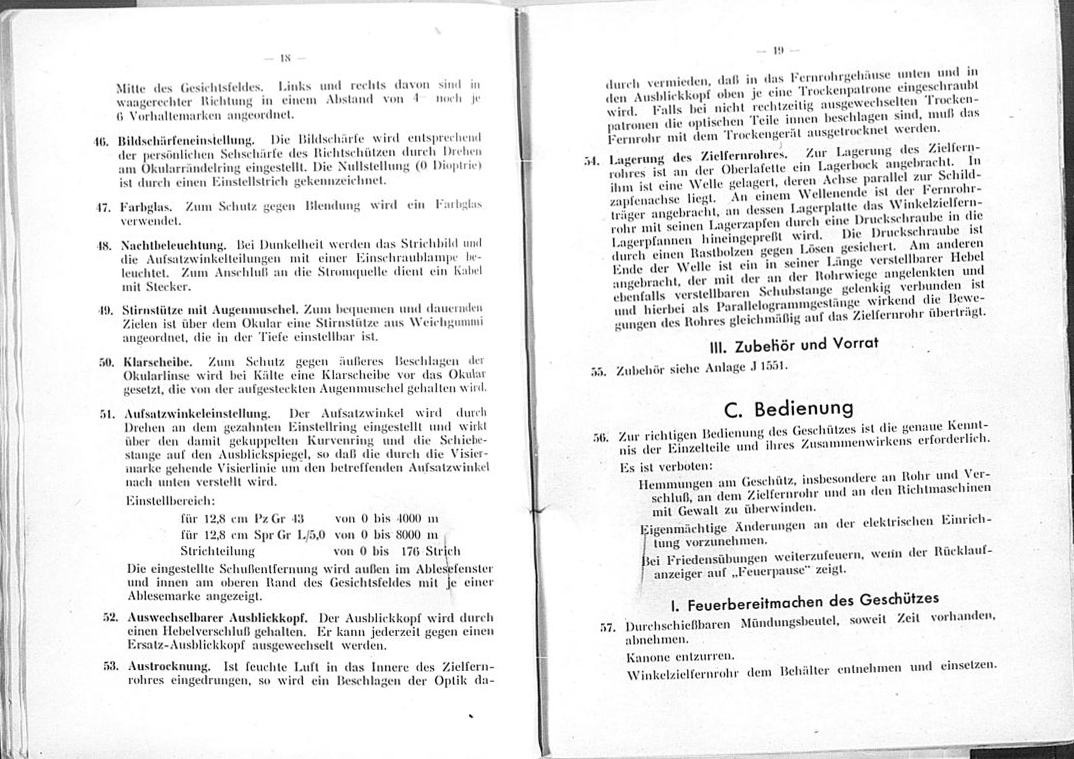
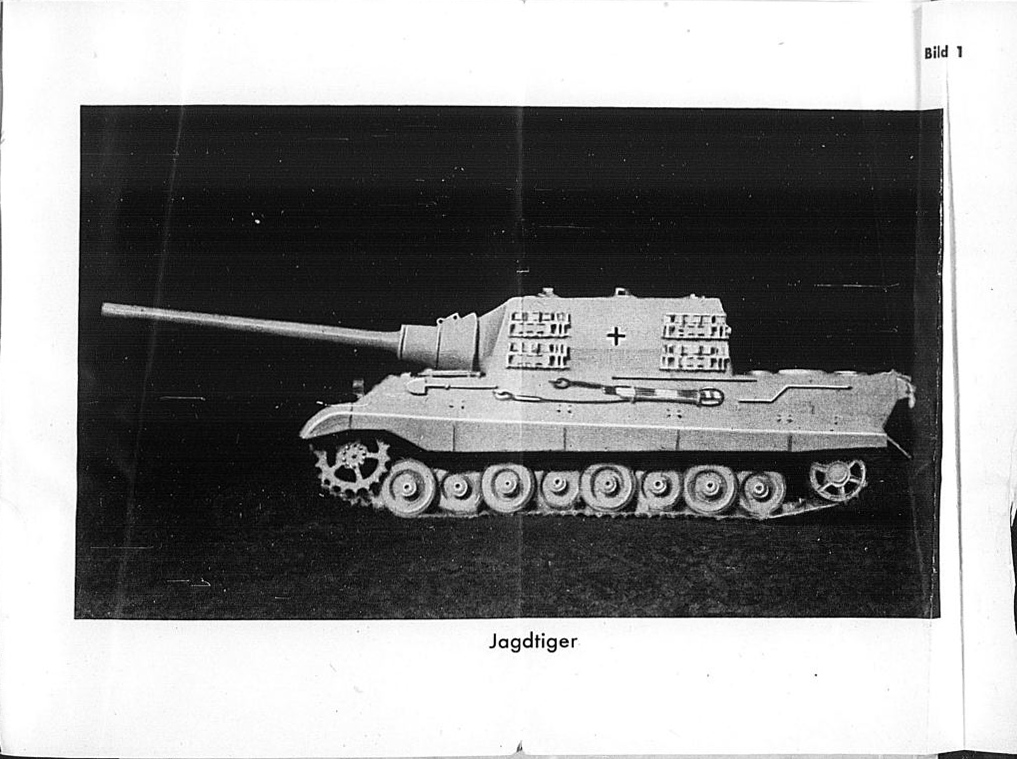
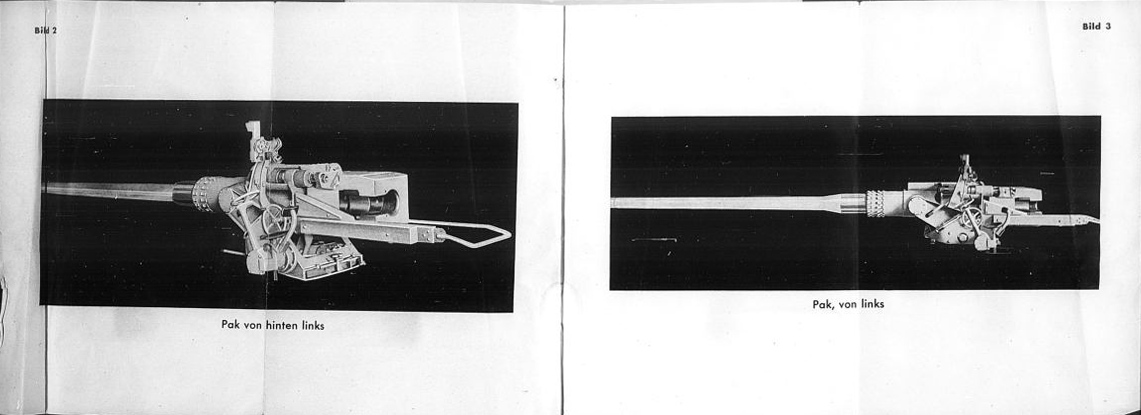
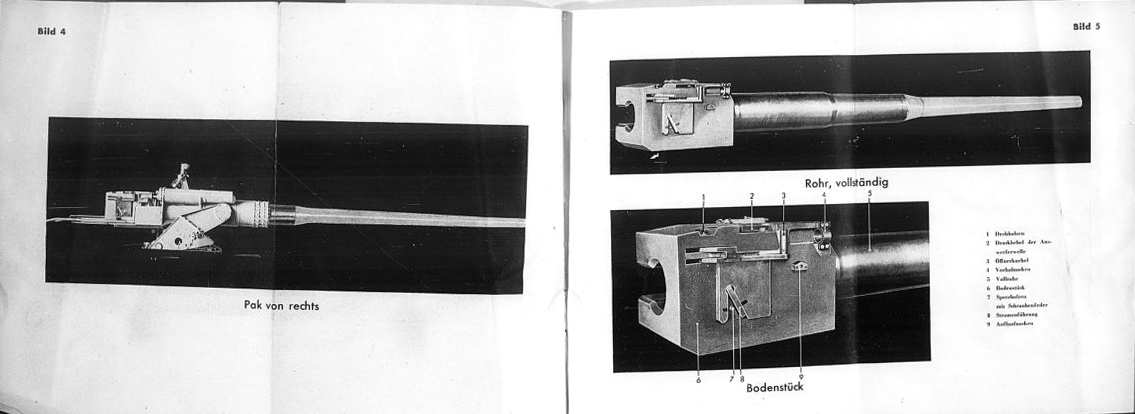
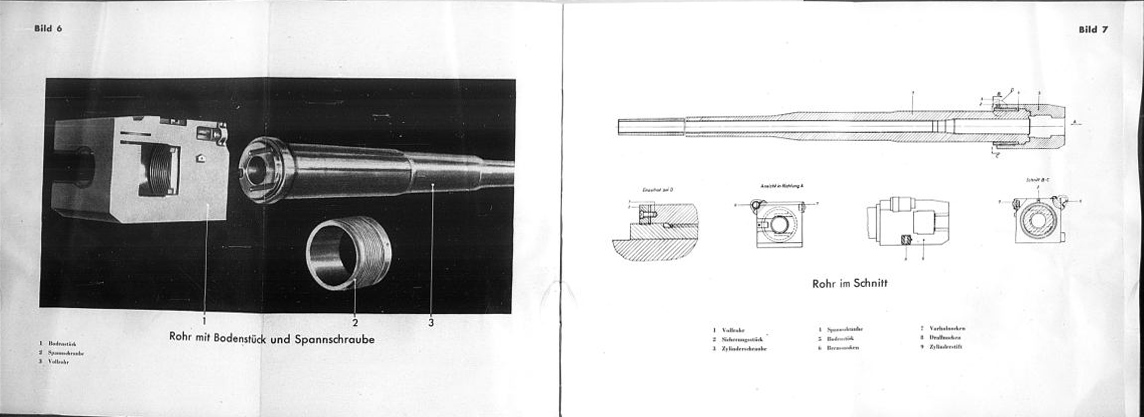
The 12.8 cm Panzerjägerkanone 80 was the main armament of the Jagdtiger. The contemporary manual D 1884, dated 1 November 1944, documents the version intended for this vehicle.
Origins and Development
An important starting point was the experience gained with Soviet 12.2 cm guns, large numbers of which were captured and reused following the German invasion of the Soviet Union in 1941. The Army subsequently requested comparable weapons of its own. The caliber already used by the 12.8 cm Flak 40 was chosen to build on existing development work and pursue ammunition standardization. Initial designs for a heavy multipurpose gun appeared in May 1942. [6, pp. 26–27]
Alongside towed guns, Krupp explored several tracked weapon carriers, including the Spinne 12, Grille 12 and Skorpion 12. Wooden models of the latter two were commissioned in November 1942. These projects illustrate the variety of mobile artillery concepts under consideration before the Jagdtiger emerged. [6, p. 27]
In early January 1943, Krupp, Rheinmetall-Borsig and the former Škoda works in Pilsen were instructed to develop a new family of guns. The intention was to standardize components across field, anti-tank, assault and tank guns. On 12 January 1943, the 12.8 cm gun was also selected for the super-heavy Maus tank. [6, pp. 28–29]
In February 1943, the Army Weapons Office refined its requirements for a heavy assault gun on a Tiger chassis. Krupp was involved in gun development while Henschel was responsible for the vehicle design. Henschel submitted two proposals on 12 April 1943. This development process eventually led to the Jagdtiger, which entered series production in 1944. Its contemporary manual identifies the main armament as the Panzerjägerkanone 80. [1, 6, pp. 29–31]
The Gun in the Jagdtiger
Unlike a tank with a rotating turret, the Jagdtiger had a fixed armored superstructure. Integrating the heavy gun was a major requirement in the design of the entire vehicle. The size of the weapon and the working space needed by the crew strongly influenced the dimensions of the fighting compartment. [1, 4]
The Jagdtiger had a crew of six. The dimensions of its main armament and ammunition imposed substantial demands on space, vehicle weight and logistics. The vehicles served with Heavy Tank Destroyer Battalions 653 and 512 toward the end of the war. Their history was shaped by their brief service period and the difficult material conditions of the final months of the conflict. [4]
Ammunition
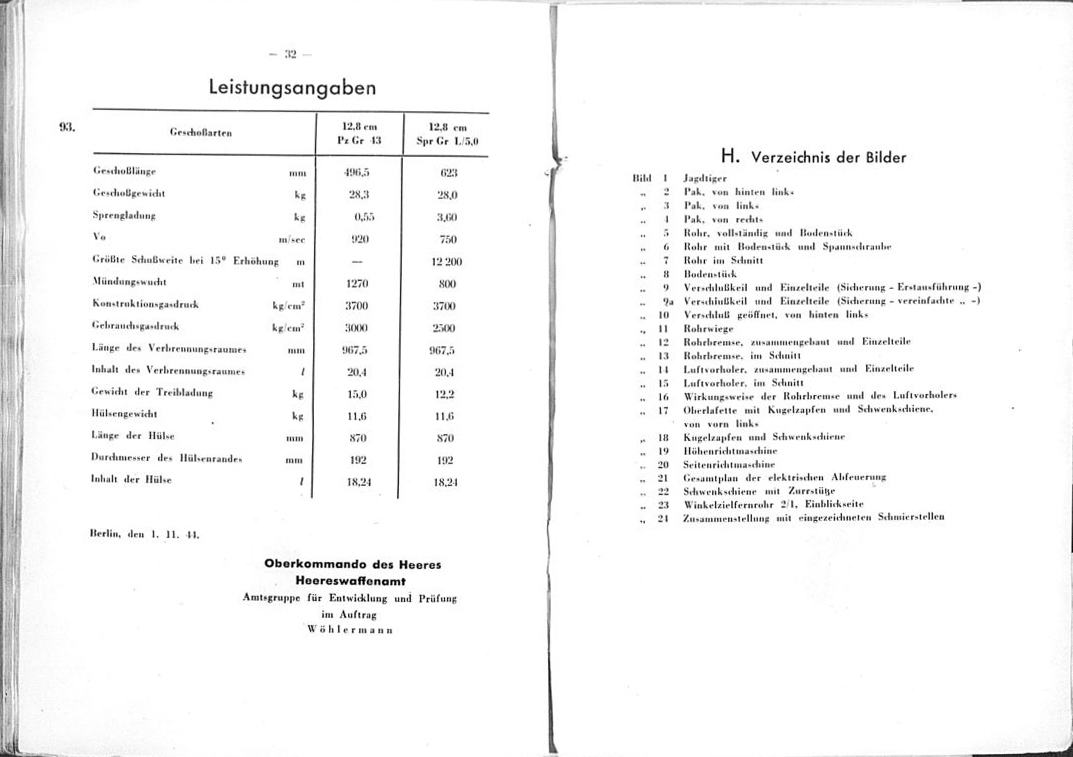
Armor-piercing and high-explosive shells were intended for the gun. These two categories reflected the different military roles for which the heavy weapon had been developed. The contemporary manual includes ammunition information in its section on dimensions, weights and performance. [1, 2]
The size of the ammunition imposed particular demands on stowage within the vehicle. Projectiles and cartridges were stored separately, and ammunition reserves occupied a substantial part of the fighting compartment.
The D 1884 Manual
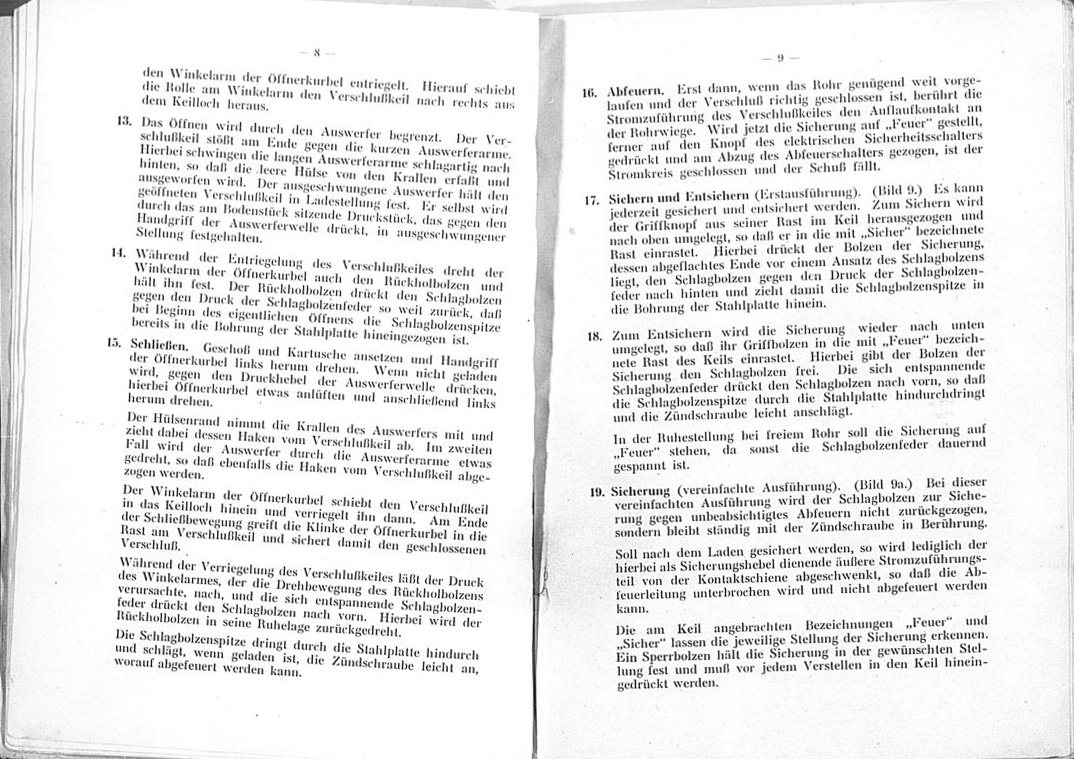
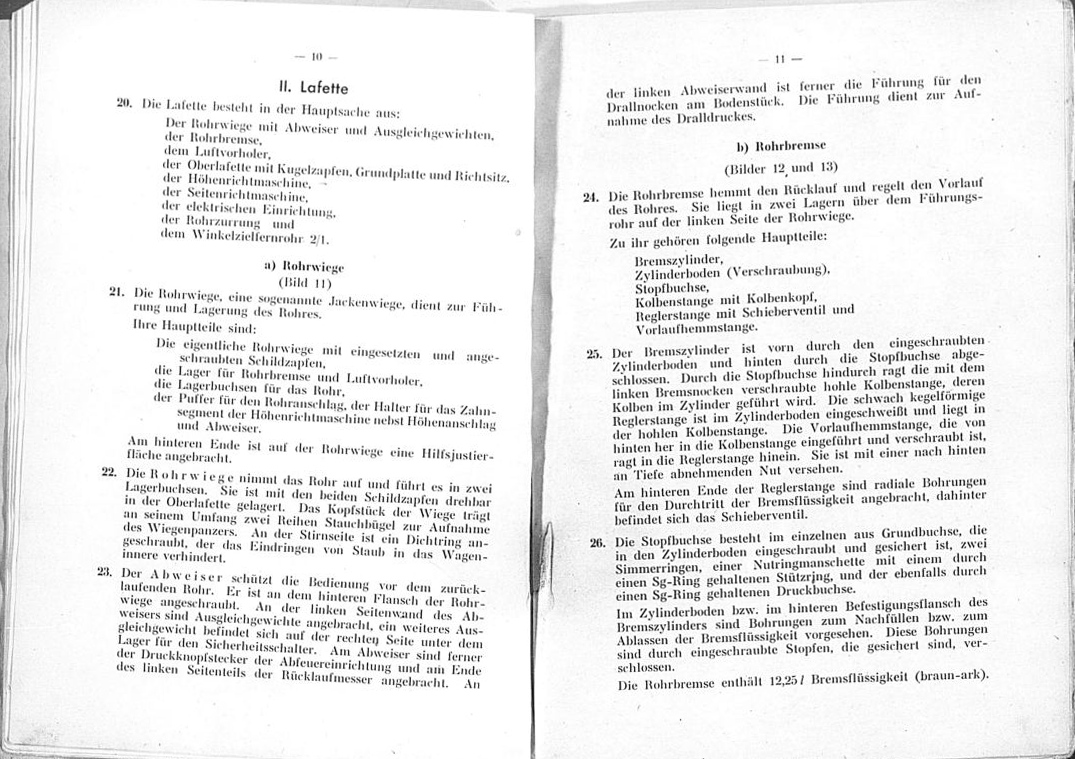
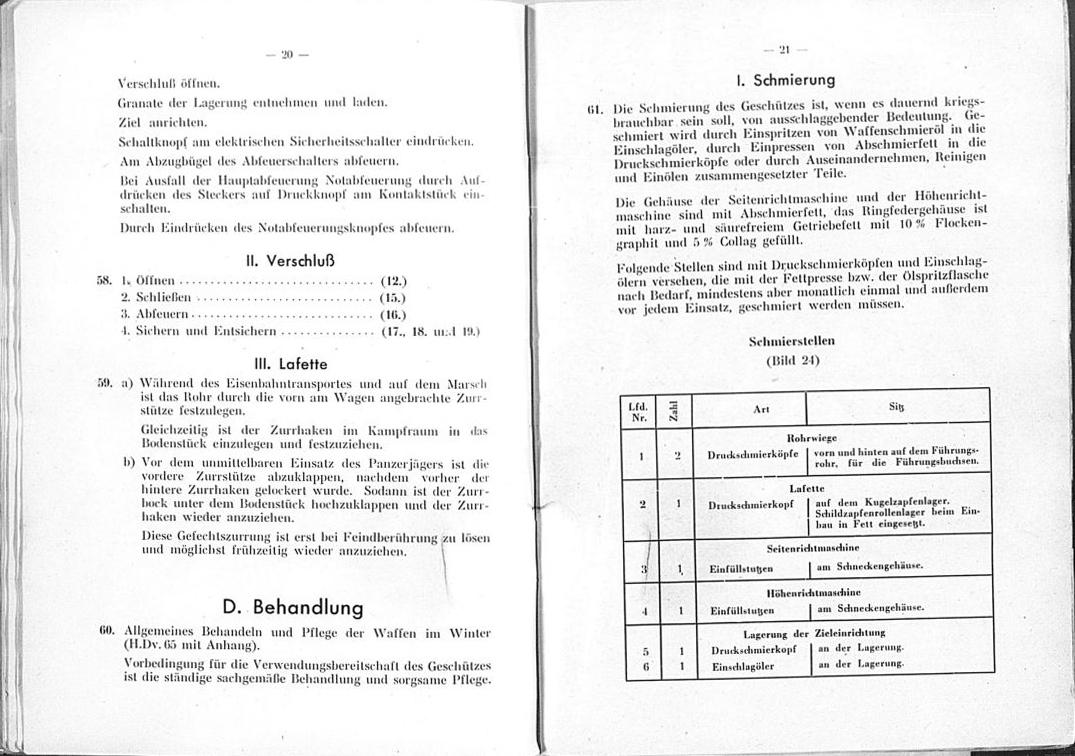
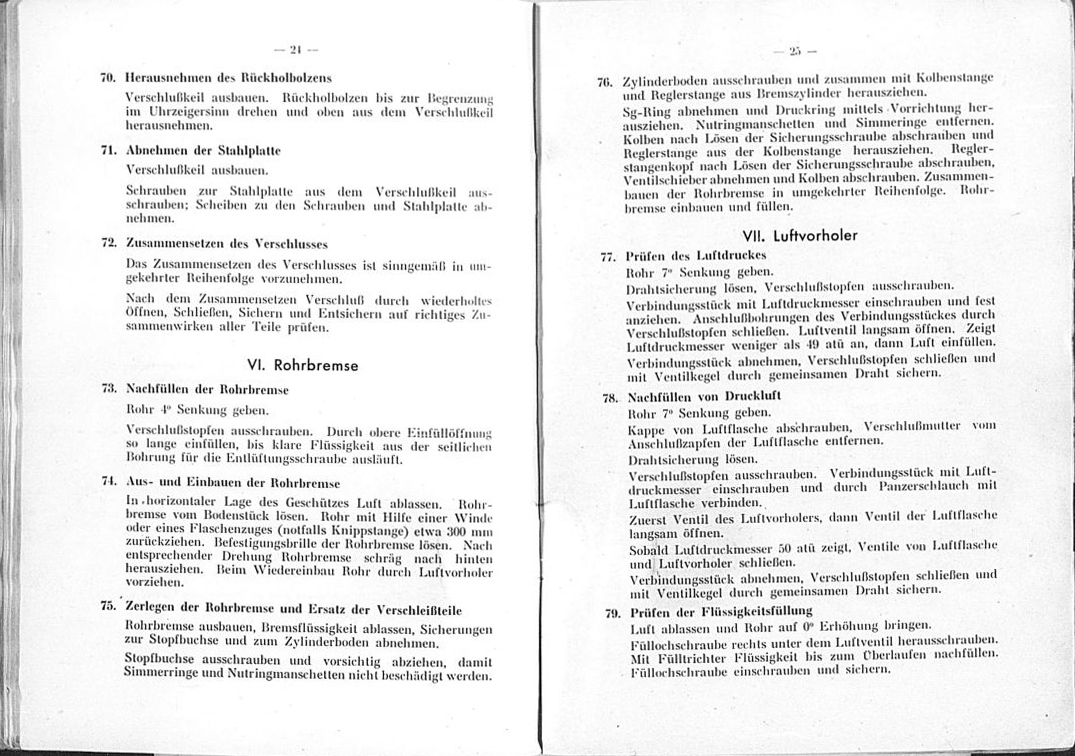
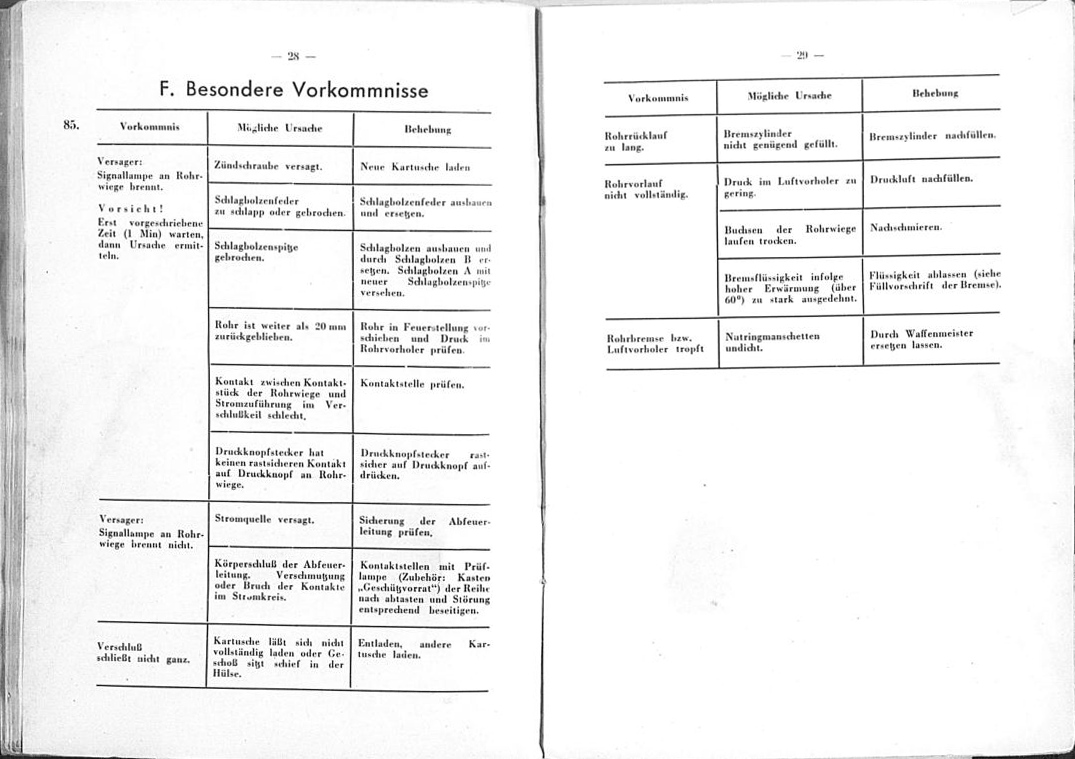
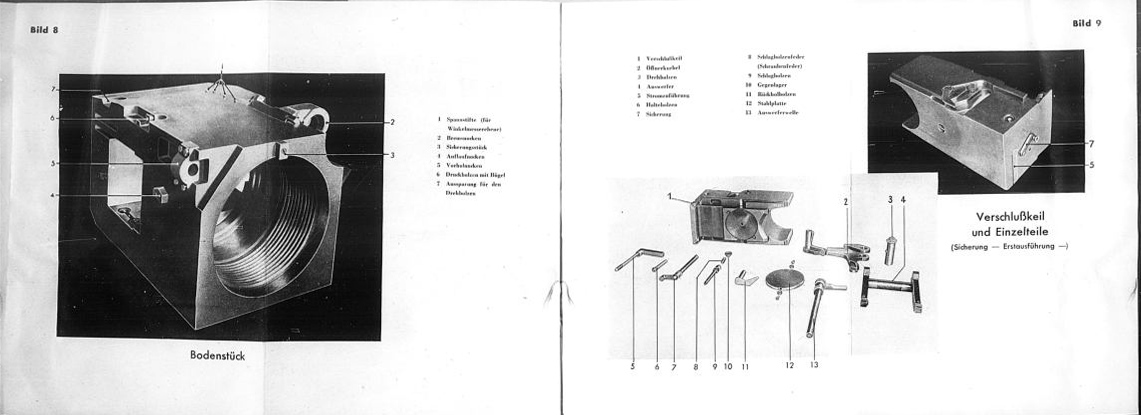
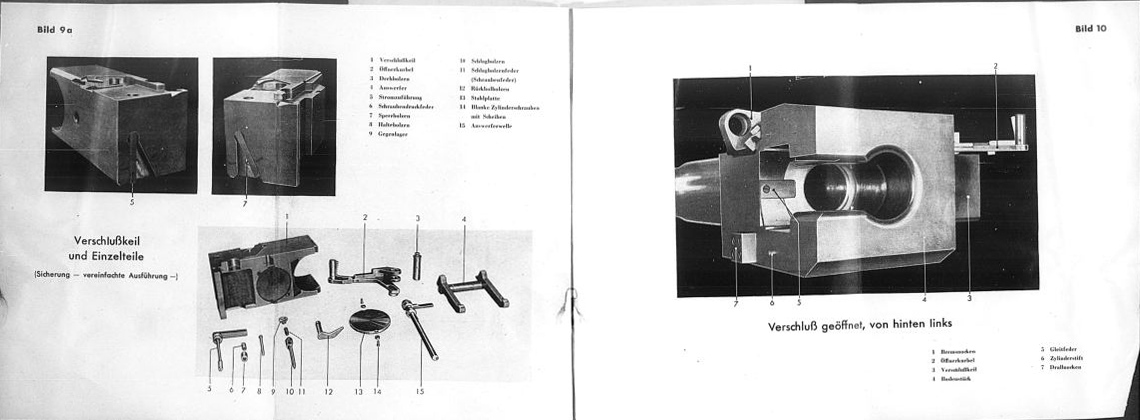
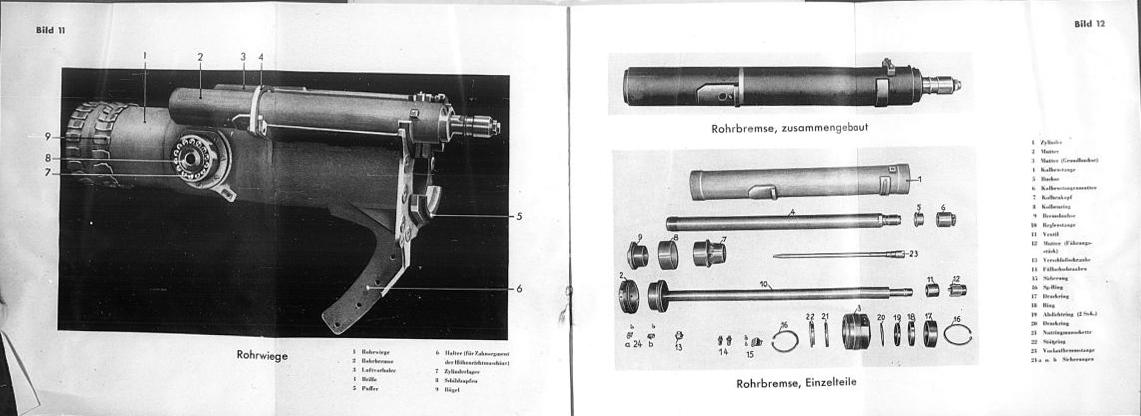
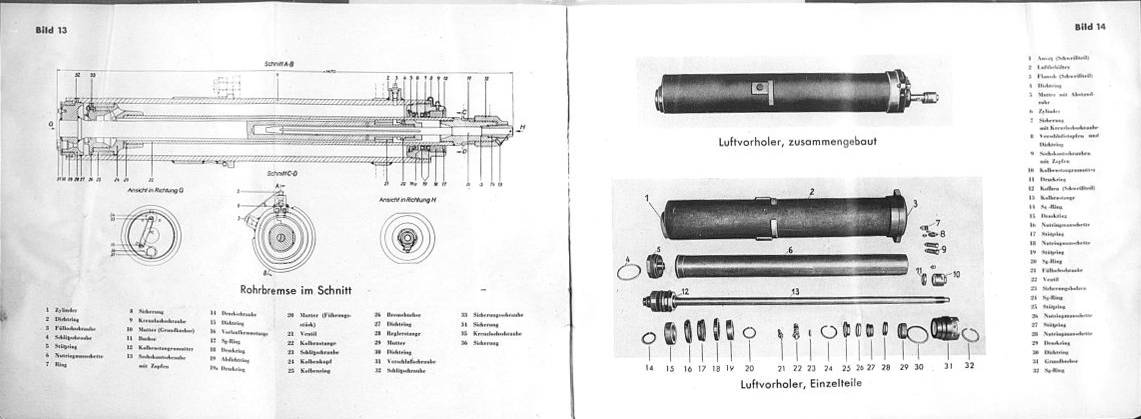
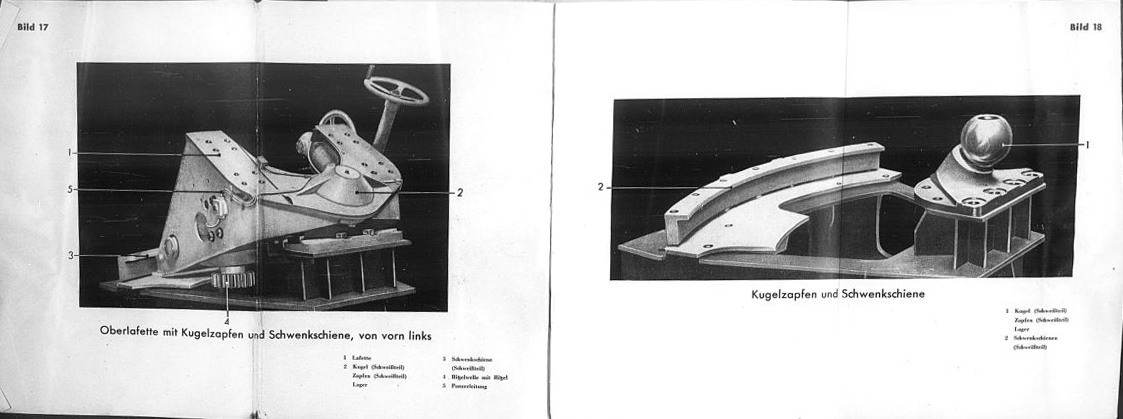
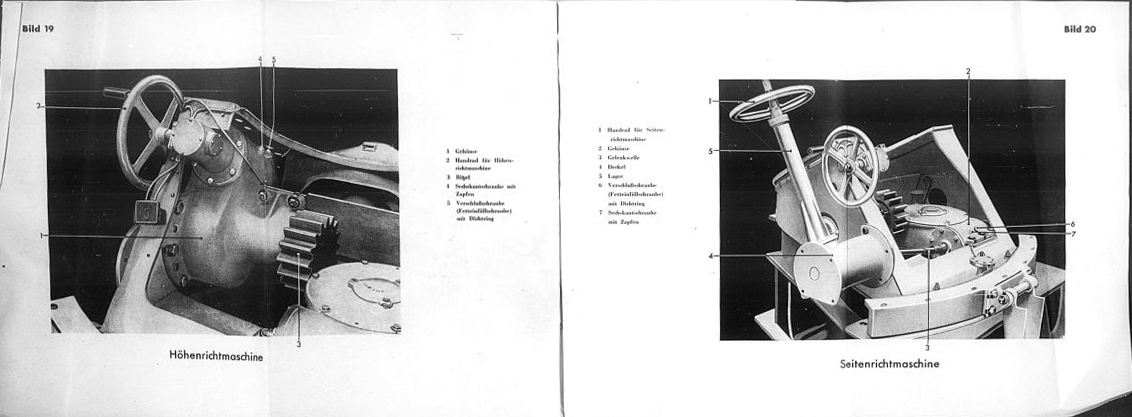
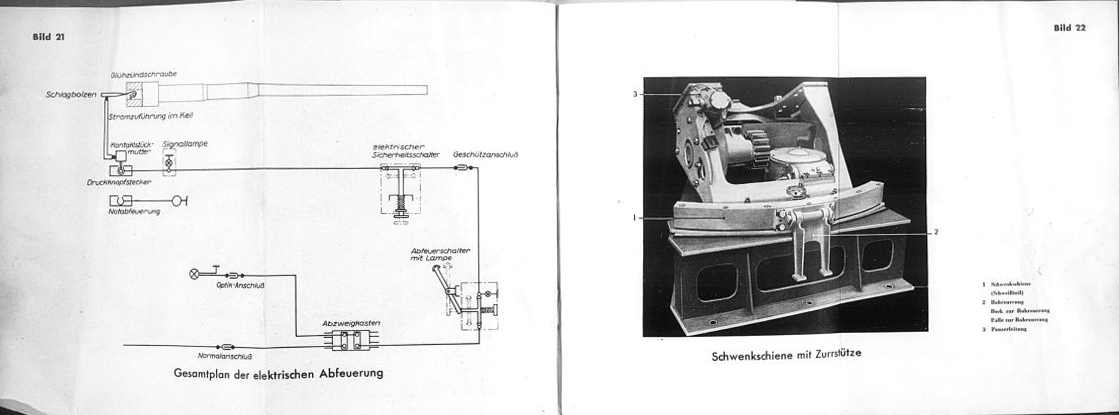
The document consists of a written section and an extensive illustrated section. Besides the description, it includes material on care, unusual occurrences, dimensions, weights and performance. Historical photographs and drawings document the vehicle and its gun assemblies. The following 31 digital images reproduce the surviving scan sequence.







Sources
[1] Oberkommando des Heeres: D 1884 – 12,8 cm Panzerjägerkanone 80, Beschreibung, 1.11.1944. Original contemporary manual (digital scans in the gallery above).
[2] Wikipedia: 12,8-cm-Pak 44.
[3] Wikipedia: 12,8-cm-KwK 44.
[4] Wikipedia: Jagdpanzer VI Jagdtiger.
[6] Michael Fröhlich: Schwere Panzer der Wehrmacht – Von der 12,8 cm Flak bis zum Jagdtiger. Motorbuch Verlag, Stuttgart, 1st edition, 2015, ISBN 978-3-613-03806-6. Consulted: pp. 26–31, p. 61 and the reproduced delivery schedule dated 3 June 1944. The archival references RH 8/2948, RH 8/2852, RH 8/2957 and RH 8/2952 cited therein were not independently consulted.
Further reading: Lexikon der Wehrmacht – Panzerabwehrkanonen.
The online references are secondary sources. The contemporary manual is the primary reference for its own terminology and contents.